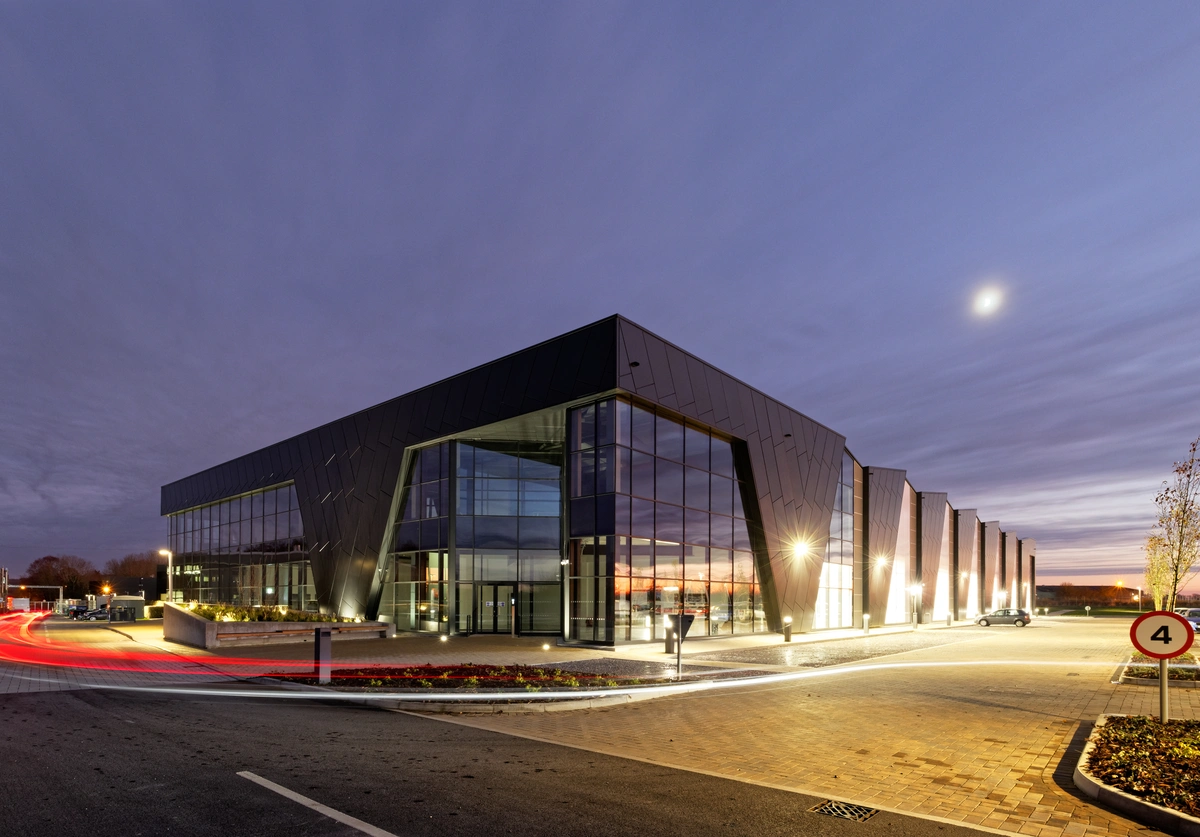
Polar Technology is an engineering and manufacturing business operating at the leading edge of composite and metallic technology. Based at Horizon Technology Park in Eynsham, Polar delivers high-value, technology-led solutions across advanced composite materials, emerging metal processes and metallic fabrications.
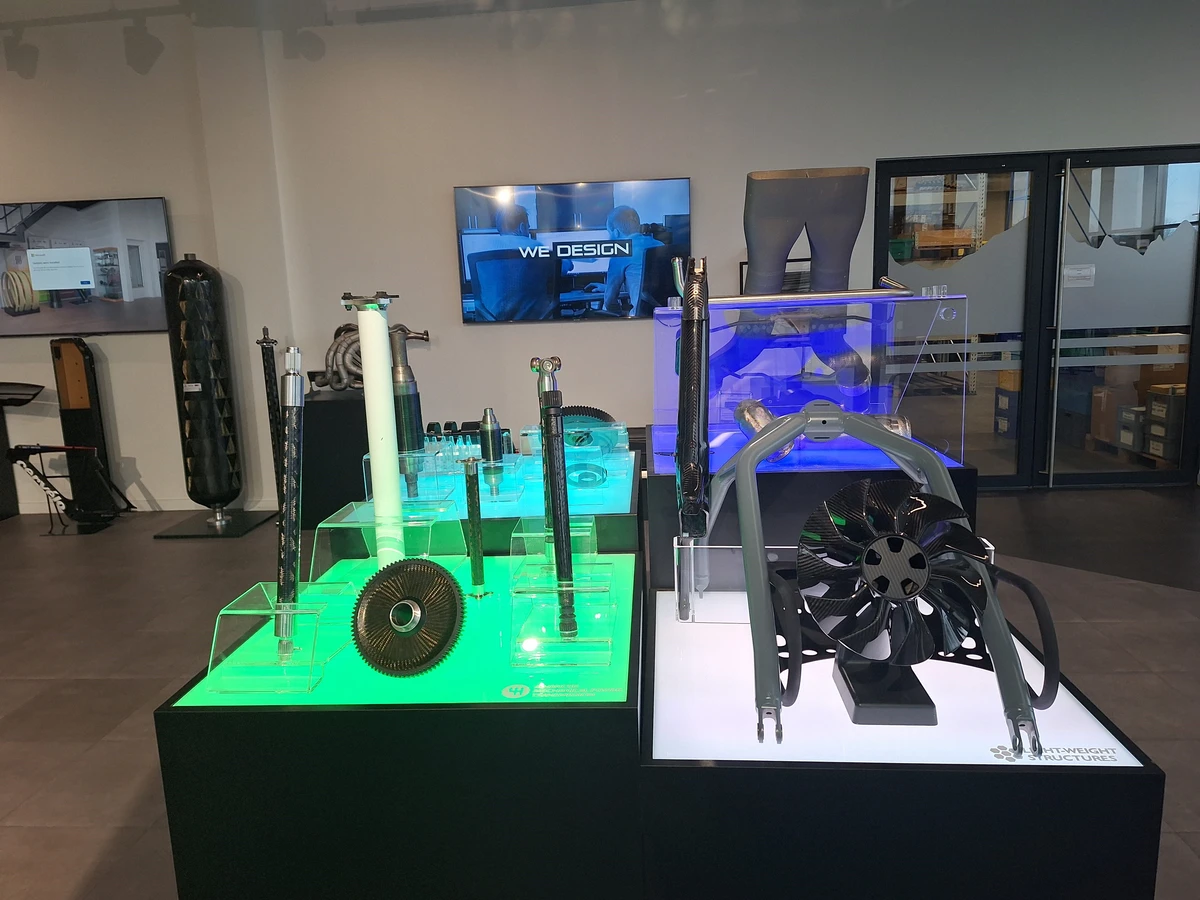
The business has evolved from a small, specialist fabrication company supplying the motorsport and automotive sectors into a global supplier serving market-leading customers across aerospace, defence, clean energy and medical applications. Alongside this growth, Polar has diversified its portfolio to include composite manufacturing, developing a strong niche in complex systems and sub-assemblies where performance, weight and reliability are critical.
Oxfordshire plays an important role in this journey. Being based in one of the UK’s centres for advanced manufacturing excellence allows Polar to access a highly skilled local workforce, attract talented engineers and benefit from a community of like-minded organisations. The region’s culture of innovation and collaboration underpins the company’s ability to compete internationally from a UK base.
Scaling advanced composite capability
Looking ahead to 2026, Polar is focused on growing its presence in the aerospace and defence markets by continuing to solve complex technical challenges for its customers. Current programmes include safety-critical structures for high-mobility transporter vehicles, specialist head-mounted display technologies for fighter pilot helmets, and transmission shafts for actuation systems used in unmanned aerial vehicles.
This growth is being supported by targeted investment in new manufacturing capability. A key addition is a new filament winding machine, which will significantly increase Polar’s volume production capacity for this specialist composite process. Filament winding involves the precise placement of fibres such as carbon fibre or Kevlar onto a rotating mandrel, creating lightweight yet highly durable structures used in demanding applications.
Sustainability is also an increasing focus. In 2026, Polar will supply its first hydrogen storage vessels, designed to deliver market-leading weight efficiency and significantly extend the range of UAV platforms. This capability reflects the company’s ambition to apply its design and manufacturing expertise to technologies that support a more sustainable future, with potential to scale into additional applications over time.

Infrastructure and innovation constraints
Despite strong demand and a clear growth trajectory, several barriers are affecting Polar’s ability to expand. The most significant is local energy infrastructure. Limited access to electrical supply, combined with the absence of nearby substations and restricted connectivity to the national grid, constrains the company’s ability to power new machinery and expand its facilities.
A second challenge lies in balancing research and development activity with projects that provide long-term revenue certainty. While Polar has participated in part-funded R and D programmes, the administrative burden and requirement for substantial co-investment can make these projects difficult to pursue alongside commercial commitments. Faced with a choice, the business must prioritise programmes that sustain jobs and revenue.
Reducing administrative complexity and improving flexibility within funded innovation schemes would make it easier for growing manufacturers to combine near-term delivery with longer-term technology development, rather than having to choose between the two.
When infrastructure limits expansion
Polar’s experience in Eynsham illustrates how infrastructure constraints can directly prevent investment. The company operates from a 12-acre business park where it has first refusal on additional space, and its landlord is currently planning further development. However, planning requirements mandate the inclusion of 70 electric vehicle charging points, without sufficient local power capacity to support them.
There is a bitter irony that a company supplying critical components to support electrification across transport industries is unable to provide EV charging for its own workforce. In this case, insufficient energy infrastructure becomes a direct barrier to expansion, limiting Polar’s ability to invest further in facilities, equipment and jobs in Oxfordshire.
Polar’s experience highlights why addressing these constraints is crucial to advanced manufacturing businesses’ continued growth in the county, turning technical excellence into long-term economic value.